

Home sweet home
Selling a home can be a challenging experience: preparing for show days, dealing with estate agents, considering offers to purchase, trying to make sense of legal contracts. And after the home is sold there remains one possible further task: working out whether the taxman will take a slice of the profit .…
Many homeowners believe that the sale of a personal residence simply doesn’t attract Capital Gains Tax (“CGT”). While this is often the case, it is not necessarily so. This article looks at how and when CGT applies to the sale of a personal residence.
The in’s and out’s of CGT
It is the disposal of an asset that triggers the application of CGT. The definition of “disposal” is far reaching. The sale of an asset is an obvious disposal, but the donation or destruction of an asset is also de-fined as a disposal. And if a taxpayer dies or emigrates they are deemed to have disposed of all their assets!
The gain (or loss) that a taxpayer makes on the disposal of an asset is calculated by deducting the “base cost” of acquiring the asset from the net proceeds of the disposal. The net proceeds are the proceeds of the disposal left after payment of disposal costs, such as estate agent’s fees in the case of the sale of a property. If the taxpayer receives no proceeds (for example on the donation of an asset to his or her child) then the proceeds are deemed to equal to the market value of the property at the time. Thus one can’t avoid CGT by simply donating assets to children: in fact this can be an expensive option as donations tax is also likely to apply.
The base cost of a disposed asset is generally the outlay or expenditure actually incurred in acquiring the asset (the price payable in the case of the purchase of a house), the cost of improving the asset (e.g. home extensions or building a swimming pool) and any expenditure directly related to its acquisition (for example transfer duty and conveyancing costs incurred on purchasing a property). It is important to note that interest paid on a mortgage bond is not considered part of the acquisition cost of a home. Generally the method of funding the acquisition (bond and/or cash) is irrelevant to the
The in’s and out’s of CGT
It is the disposal of an asset that triggers the application of CGT. The definition of “disposal” is far reaching. The sale of an asset is an obvious disposal, but the donation or destruction of an asset is also de-fined as a disposal. And if a taxpayer dies or emigrates they are deemed to have disposed of all their assets!
The gain (or loss) that a taxpayer makes on the disposal of an asset is calculated by deducting the “base cost” of acquiring the asset from the net proceeds of the disposal. The net proceeds are the proceeds of the disposal left after payment of disposal costs, such as estate agent’s fees in the case of the sale of a property. If the taxpayer receives no proceeds (for example on the donation of an asset to his or her child) then the proceeds are deemed to equal to the market value of the property at the time. Thus one can’t avoid CGT by simply donating assets to children: in fact this can be an expensive option as donations tax is also likely to apply.
The base cost of a disposed asset is generally the outlay or expenditure actually incurred in acquiring the asset (the price payable in the case of the purchase of a house), the cost of improving the asset (e.g. home extensions or building a swimming pool) and any expenditure directly related to its acquisition (for example transfer duty and conveyancing costs incurred on purchasing a property). It is important to note that interest paid on a mortgage bond is not considered part of the acquisition cost of a home. Generally the method of funding the acquisition (bond and/or cash) is irrelevant to the
determination of a future CGT liability upon sale. If the disposed asset was acquired before the introduction of CGT on 1 October 2001, then only the portion of the gain attributable to the period after this date is taxed. Put another way, the gain attributable to the pre-CGT era is excluded from taxation. There are a number of options available to a taxpayer in calculating the base cost of assets acquired before 1 October 2001 and specific advice should be sought in this regard.
Once the gain or loss on the disposal of each asset has been established, the sum of all such gains (less any capital losses) are tallied, and from this total amount, an exemption of a modest R40,000 is allowed each tax year (and only for natural persons i.e. individual taxpayers not companies or trusts, other than “special” trusts).
The taxman’s cut
A portion of a taxpayer’s total capital gains in excess of the annual exemption is added to his or her normal taxable income for the particular tax year. In the case of “natural” persons, 40% of the total net capital gains for the year is added to the taxpayer’s income and in the case of companies and trusts, 80% is added to taxable income.
The amount of additional income tax payable on the capital gain on the disposal of assets will depend entirely on the amount of other taxable income earned by the taxpayer in that year. If, for example, the taxpayer has earned sufficient income in that year to put him or herself into the highest marginal in-come tax bracket (45%), then the 40% portion of his capital gains when added to his normal income will attract tax at an effective rate of 18%. This means that this taxpayer will pay “CGT” on his gains at an effective rate of 18% of the gain (i.e. 40% x 45%). It can thus be said
Once the gain or loss on the disposal of each asset has been established, the sum of all such gains (less any capital losses) are tallied, and from this total amount, an exemption of a modest R40,000 is allowed each tax year (and only for natural persons i.e. individual taxpayers not companies or trusts, other than “special” trusts).
The taxman’s cut
A portion of a taxpayer’s total capital gains in excess of the annual exemption is added to his or her normal taxable income for the particular tax year. In the case of “natural” persons, 40% of the total net capital gains for the year is added to the taxpayer’s income and in the case of companies and trusts, 80% is added to taxable income.
The amount of additional income tax payable on the capital gain on the disposal of assets will depend entirely on the amount of other taxable income earned by the taxpayer in that year. If, for example, the taxpayer has earned sufficient income in that year to put him or herself into the highest marginal in-come tax bracket (45%), then the 40% portion of his capital gains when added to his normal income will attract tax at an effective rate of 18%. This means that this taxpayer will pay “CGT” on his gains at an effective rate of 18% of the gain (i.e. 40% x 45%). It can thus be said
 While the “primary residence” exemption applies to the sale of most homes, there are a number of situations where the unsuspecting home-owner may not qualify for the exemption, or will otherwise be liable for some CGT on the sale of a home despite being able to claim the exemption.
that the net effective “rate of CGT” in the case of natural persons thus ranges from zero up to a maximum of 18% of net capital gains made depending on his or her marginal tax rate.
Home sweet home
What about CGT on the sale of a home? In the case of the disposal by a taxpayer of his or her “primary” residence there is a major concession: the first R2m of any gain is exempt from CGT. Only the gain in excess of this amount (if any) will attract CGT. For many taxpayers this means that the gain made on such a sale will not attract any tax. However, house prices have increased considerably since 2001 and even in the current economic climate many homeowners who have owned their homes for some years may find themselves one day paying CGT on the sale of their property.
It is important to note that the R2m tax-free concession only applies to the disposal of what SARS terms a “primary residence”: this is a property which (a) is owned by a natural person (not a trust, company or close corporation), and (b) the owner (or spouse of the owner) must ordinarily reside in the home and must also “mainly” have used the home for domestic or private residential purposes. It is not a requirement that the residence must constitute or be used or resided in as a primary residence at the time of disposal; in a situation where the house constituted a primary residence for only a portion of the period of ownership, the overall capital gain must be split into
Home sweet home
What about CGT on the sale of a home? In the case of the disposal by a taxpayer of his or her “primary” residence there is a major concession: the first R2m of any gain is exempt from CGT. Only the gain in excess of this amount (if any) will attract CGT. For many taxpayers this means that the gain made on such a sale will not attract any tax. However, house prices have increased considerably since 2001 and even in the current economic climate many homeowners who have owned their homes for some years may find themselves one day paying CGT on the sale of their property.
It is important to note that the R2m tax-free concession only applies to the disposal of what SARS terms a “primary residence”: this is a property which (a) is owned by a natural person (not a trust, company or close corporation), and (b) the owner (or spouse of the owner) must ordinarily reside in the home and must also “mainly” have used the home for domestic or private residential purposes. It is not a requirement that the residence must constitute or be used or resided in as a primary residence at the time of disposal; in a situation where the house constituted a primary residence for only a portion of the period of ownership, the overall capital gain must be split into
“primary residence” and “non-primary resi-dence” portions on a time basis, with only the “primary residence” portion of the overall capital gain qualifying for the exclu-sion of R2 million (the exclusion of R2 mil-lion is not apportioned).
Spouses who are married in community of property are deemed to have shared the gains made on disposal of assets, and in their case the R2m exemption will also be shared: they do not each receive the full exemption.
Business is business
While the “primary residence” exemption applies to the sale of most homes, there are a number of situations where the unsuspecting home-owner may not qualify for the exemption, or will otherwise be liable for some CGT on the sale of a home despite being able to claim the exemption. Let’s look at some of these situations….
When assessing the primary residence exemption, “work-from-home” taxpayers should proceed with caution. Firstly, the exemption will not apply at all if a home is used “mainly” as a business (i.e. more than 50% for business in terms of floor space usage) even if the business owner resides in the premises. Furthermore, there are implications even if only a small portion of a disposed home has been used for business purposes, for example where a study in a home is used as an office, or a “granny flat” is used to generate rental income. In these situations, the proportion of the property that is used for non-residential purposes will be excluded from benefiting from the exemption and that portion will attract CGT on disposal of the property.
Trust matters
Most importantly, to qualify for the “primary residence” exemption, the home must be owned by the taxpayer in his or her own right. If the home is owned by the taxpayer’s family trust or a company, the exemption will not apply at all. This will be the case even if the taxpayer is a beneficiary of the trust and occupies the house as his or her residence.
The bottom line
A home is often the most valuable asset one ever acquires, and one’s financial planning should accurately take into account the impact of Capital Gains Tax on a house sale.
Spouses who are married in community of property are deemed to have shared the gains made on disposal of assets, and in their case the R2m exemption will also be shared: they do not each receive the full exemption.
Business is business
While the “primary residence” exemption applies to the sale of most homes, there are a number of situations where the unsuspecting home-owner may not qualify for the exemption, or will otherwise be liable for some CGT on the sale of a home despite being able to claim the exemption. Let’s look at some of these situations….
When assessing the primary residence exemption, “work-from-home” taxpayers should proceed with caution. Firstly, the exemption will not apply at all if a home is used “mainly” as a business (i.e. more than 50% for business in terms of floor space usage) even if the business owner resides in the premises. Furthermore, there are implications even if only a small portion of a disposed home has been used for business purposes, for example where a study in a home is used as an office, or a “granny flat” is used to generate rental income. In these situations, the proportion of the property that is used for non-residential purposes will be excluded from benefiting from the exemption and that portion will attract CGT on disposal of the property.
Trust matters
Most importantly, to qualify for the “primary residence” exemption, the home must be owned by the taxpayer in his or her own right. If the home is owned by the taxpayer’s family trust or a company, the exemption will not apply at all. This will be the case even if the taxpayer is a beneficiary of the trust and occupies the house as his or her residence.
The bottom line
A home is often the most valuable asset one ever acquires, and one’s financial planning should accurately take into account the impact of Capital Gains Tax on a house sale.
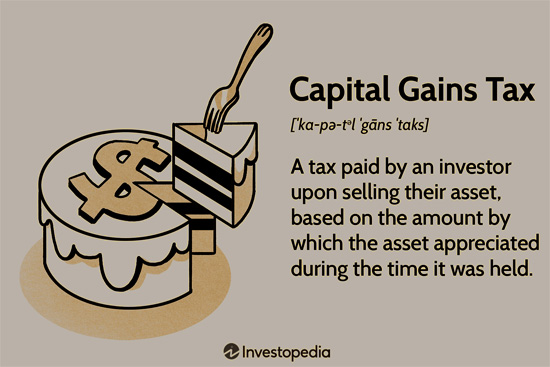 In the case of “natural” persons, 40% of the total net capital gains for the year is added to the taxpayer’s income and in the case of companies and trusts, 80% is added to taxable income.