
Mind over matter
Breaking news: There might finally be an answer to the age-old question “Why am I like this?” It turns out that nearly every financial behaviour you have has its roots in something else, and many of these influences are so minor that you’d never recognize them.
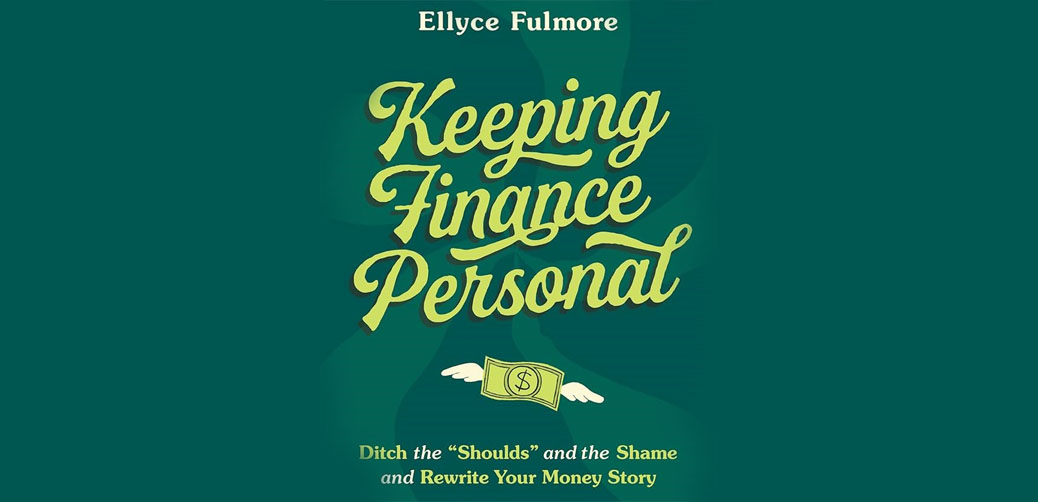
“We attempt to put money into a vacuum instead of looking at how it really intersects with every area of our life,” says Ellyce Fulmore, a financial educator and author of Keeping Finance Personal: Ditch the “Shoulds” and the Shame and Rewrite Your Money Story. But in reality, all the pieces of our lives, experiences and identities “impact how we think about money, view money, spend money and the decisions that we make around money.”
Money thinking
Fulmore, who owns a financial literacy company and has over 530,000 followers on TikTok, likes to describe this as a “money story,” though it’s also been called a “money script.” Basically, our financial beliefs, behaviours and attitudes are formed in accordance with an almost infinite number of outside factors. These can range from culture, class and trauma to personality, birth order and movies we watch. (Turns out we’re a lot more impressionable than we’d like to think.)
Sometimes this cause-and-effect situation is obvious — if you witness a friend being laid off, you might make the intentional decision to beef up your emergency fund. But often it’s instinctive.
Maybe when you were young, your parents taught you to only buy cereal on sale; maybe you know that one of the cereal manufacturers donates to a politician whose values you don’t support. All of this information is swirling around in your mind, she adds, and “you make those snap decisions without even necessarily consciously thinking about them.”
Nature vs nurture
It’s not just nurture, either. Nature, too, can influence your habits.
For example, research has found there’s a correlation between menstrual cycle phases and how susceptible people are to impulsive spending. Mental health can be a major determinant in how you handle money, as well.
Fulmore says folks who struggle with executive function (the mental skills that help you plan and meet goals) may have trouble sticking to a budget, while those who are wired to seek dopamine (a neurotransmitter and hormone linked to feelings of pleasure) may be more likely to

splurge. A person’s anxiety might lead them to book the first hotel they find while vacation planning, even if it’s more expensive than they’d like, because they have an underlying fear of not being able to get a room later.
The rub is that because these factors are so easy to overlook, they’re often difficult to address. It’s a lot simpler to overcome financial challenges when the solution is black and white.
Fulmore talks about when she was in college, she was always running late for class, so she ended up buying takeout and coffee most days. But if she’d asked a financial planner for advice on how to remedy the overspending, they’d likely say she should pack lunch and make
coffee at home.
That wasn’t the problem, though: “The issue for me was time management stemming from my undiagnosed ADHD, not the finances,” she says.
To give yourself the best shot at mitigating the effects of outside factors on your financial behaviors, you first need to take a step back and recognize what’s going on. Then you should carefully take that into account when designing a plan for your money.
“Block out the noise of what everyone else says you ‘should’ be doing with your money and focus on what’s going to make the most sense for where you’re at in your life,” Fulmore says.
In a dynamic interest rate environment, you can adopt several strategies to optimise your portfolio:
• Diversification: Spread your investments across different asset classes, sectors, and geographic regions to manage risk and reduce the impact of interest rate changes on your portfolio.
• Duration management: For bond investors, managing the duration of your bond holdings is crucial. Shorter-duration bonds are less sensitive to interest rate changes, while longer-duration bonds offer higher yields but come with greater risk.
• Income generation: In a low-interest-rate environment, seek higher-yielding assets like dividend-paying equities, REITs, or high-yield bonds to generate income.
• Risk assessment: Understand the risk profile of each asset class and how it aligns with your risk tolerance and investment goals. Equities offer higher returns but come with higher volatility, while fixed-income investments provide stability but lower returns.
• Market analysis: Stay informed about economic indicators, SARB’s monetary policy decisions, and market trends to anticipate interest rate changes and adjust your strategies accordingly.
There’s no magic formula for being “good with money.” The perfect budgeting spreadsheet or debt repayment plan will never address the root of your money issues. When Ellyce Fulmore started her journey with personal finance, she was drowning in $35K of debt, had $60 to her name, and avoided looking at her bank account. Her own “aha” moment came when she realized that the reason she and so many others have struggled with finances has little to do with being “bad with money.” Instead, it has every-thing to do with how identity and lived experience affect financial behaviors.