
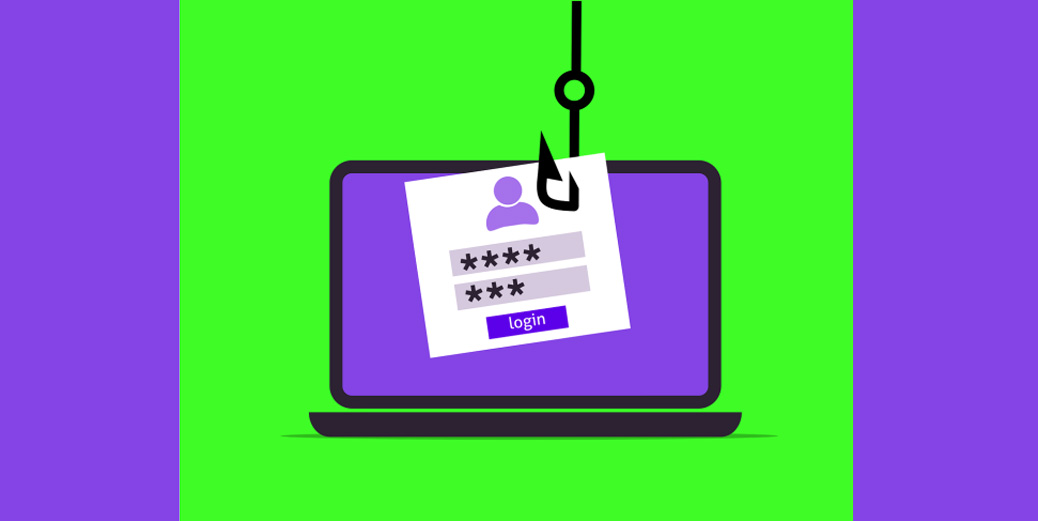
Gone phishing
We have all heard the stories of the unsophisticated, but often successful, scam emails. In fact, many of us have a good laugh and wonder how anyone could have fallen for schemes that are resplendent with comical use of language and grammatical mistakes. Beware because those days are over. Scammers have become increasingly canny and are now armed with freely available tools on the internet that could easily fool you.
Legitimate businesses aren’t the only ones paying attention to recent advances in commerce, communication and artificial intelligence. As the current slate of identity and financial theft scams makes clear, online fraudsters are on the hunt — and evolving their tricks.
But knowing about these sneaky schemes can help you stay safer in 2024. Artificial intelligence is the
But knowing about these sneaky schemes can help you stay safer in 2024. Artificial intelligence is the
number one culprit. It can be a key weapon in helping stoke up false trust. As its capabilities and use explode, AI is increasingly becoming a worry for consumers afraid of getting fooled.
AI writing eliminates the telltale typos and grammatical goofs of such missives, meaning it’s easier to trick people. The bots can also accurately mimic the editorial voice and cadence of any type of
AI writing eliminates the telltale typos and grammatical goofs of such missives, meaning it’s easier to trick people. The bots can also accurately mimic the editorial voice and cadence of any type of

official or business source including that of financial institutions and government agencies. According to a report by cybersecurity consultant SlashNext, this superior botwriting has helped to fuel a staggering 1,265% rise in the number of malicious emails between 2022 and 2023. Many, even most, of those nasty new messages are phishing attacks that use deceptive means to obtain a user’s email address, ID or password combination. There’s also been an uptick in smishing (phishing via fraudulent SMS text messages) and quishing (phishing via bogus QR codes).
How to stay safe
Resisting these scams requires following the customary steps to protecting your identity — but with heightened awareness and caution. Knowing that typos and odd phrasing will no longer easily alert you to a bank imitator, for example, means you need to verify the identity of “bank representatives” who contact you before clicking or signing anything.
Impersonations of government officials are also on the rise. In particular, any communication from a purported government official should not be acted upon until you’ve located said person on a credible website, like a departmental directory or legitimate LinkedIn profile.
Another widely used tactic is the use of familiarity as a trust building
scheme. You may believe that you have safeguarded all your social media however the same may not be said for your friends. Don’t be duped by the many scammers today who imitate friends, using information stolen from social media posts and profiles, to carefully concoct a scam. Just because something sounds right doesn’t mean it’s real. More than ever, do not trust even the personas of purported friends for any request that involves money or personal details. Rather than simply handing over your bank account number in response to a call for help, you should call your friend to verify that your online correspondent is really them (or someone they’ve indeed empowered to assist them). In particular, steer away from disclosing your phone number or ID number to anyone whose credibility you haven’t double-checked.
Credit score
Make it a habit to pull your credit reports from time to time to be sure your identity has not been hijacked without your knowledge to open new bank accounts or other credit products. All South Africans are entitled to one free credit check per year. There are several companies that offer this service however the site easiest to use is Clearscore (www.clearscore.com).
Gone are the days when a laughable email promising the riches of a prince in a faraway land couldn’t fool you. Today the schemes have become increasingly elaborate and worthy of fooling even the most savvy of individuals.