
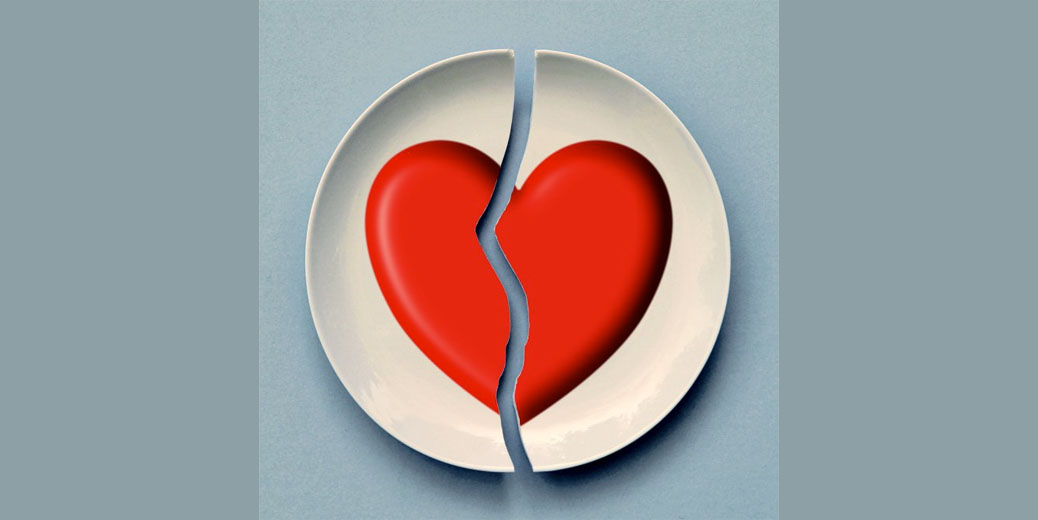
Parting ways
The emotional trauma (or elation) of a divorce often leaves both parties dazed and numbed – and in no state of mind to think of estate planning. If you are recently divorced it is important to review your planning, sooner rather than later.
There are a number of hidden dangers which could result in your ex-dearly beloved walking off with not only your house but also your investments, car and life assurance on your death, even if you die many years after your parting of ways.
Grace period
The first danger awaits the divorcee who overlooks reviewing their Will. Our law effectively gives a divorcee a three-month “grace period” from the date of their divorce to get their Will in order. The Wills Act of 1953 deals with the situation where a person leaves a Will executed before their divorce in which their ex-spouse is an heir or beneficiary. It provides that if a divorcee dies within three months of their divorce, his or her ex-spouse, even if nominated in the deceased’s Will as an heir or beneficiary shall be disqualified from inheriting. This is unless it appears from the Will that the deceased intended to benefit the ex-spouse notwithstanding their divorce. If the divorcee dies within the three month grace period, the law allows the divorcee’s other heirs nominated in the Will, or failing such nomination, then the deceased’s “intestate heirs” (i.e. new spouse, children or closest blood rela-
Grace period
The first danger awaits the divorcee who overlooks reviewing their Will. Our law effectively gives a divorcee a three-month “grace period” from the date of their divorce to get their Will in order. The Wills Act of 1953 deals with the situation where a person leaves a Will executed before their divorce in which their ex-spouse is an heir or beneficiary. It provides that if a divorcee dies within three months of their divorce, his or her ex-spouse, even if nominated in the deceased’s Will as an heir or beneficiary shall be disqualified from inheriting. This is unless it appears from the Will that the deceased intended to benefit the ex-spouse notwithstanding their divorce. If the divorcee dies within the three month grace period, the law allows the divorcee’s other heirs nominated in the Will, or failing such nomination, then the deceased’s “intestate heirs” (i.e. new spouse, children or closest blood rela-
tives) to inherit in the place of the nominated ex-spouse.
But if the death happens more than three months after the divorce, the Will is implemented as it stands, even if this leaves the ex-spouse as the rather fortunate recipient of the estate to the detriment of a new spouse, children and other family members.
An example: Mr Smith (of course this example could equally apply to Mrs Smith) dies five years after a particularly acrimonious divorce. After his death it transpires that he had neglected to revoke his previous Will, executed at the time of his marriage to his ex-wife. In this Will he had done the popular “thing” for newly married couples – leaving his entire estate to his then wife. His family (and in particular any new wife he may have acquired along the way) will be horrified to learn that his ex-wife will inherit everything!
And to add insult to injury, if he has over-looked changing his beneficiary nominations on his life assurance policies, leaving his ex-wife as the appointed beneficiary on those, then she stands to receive his life assurance too!
A failure to review the beneficiary nominations on the divorcee’s life assurance policies creates the second hidden danger. The
But if the death happens more than three months after the divorce, the Will is implemented as it stands, even if this leaves the ex-spouse as the rather fortunate recipient of the estate to the detriment of a new spouse, children and other family members.
An example: Mr Smith (of course this example could equally apply to Mrs Smith) dies five years after a particularly acrimonious divorce. After his death it transpires that he had neglected to revoke his previous Will, executed at the time of his marriage to his ex-wife. In this Will he had done the popular “thing” for newly married couples – leaving his entire estate to his then wife. His family (and in particular any new wife he may have acquired along the way) will be horrified to learn that his ex-wife will inherit everything!
And to add insult to injury, if he has over-looked changing his beneficiary nominations on his life assurance policies, leaving his ex-wife as the appointed beneficiary on those, then she stands to receive his life assurance too!
A failure to review the beneficiary nominations on the divorcee’s life assurance policies creates the second hidden danger. The

Wills Act does not apply to policies. Here the nominated beneficiary registered with the assurer at the time of death normally has a contractual right to claim payment of the policy proceeds – even if the life assured drops dead on the court steps just having been granted a divorce from that beneficiary. No grace period applies at all.
The answer is of course simple: as soon as your intentions change regarding who is to receive your estate and life assurance proceeds on your death, you must make the necessary changes to your Will and beneficiary nominations. This is prob-ably sound advice whether you are newly eloped, “shacked-up”, married, separated or divorced.
The Kids
The next hidden danger catches out divorcees with young children from their ex-spouse. It is created when the divorcee nominates their young child or children as beneficiary of their policies. While this seems logical, the problem is that the assurance company will usually honour your wishes explicitly – possibly too explicitly – by making payment into a bank account opened in the name of the child.
Even if you have been granted custody of your child, it is likely that your ex-spouse remains a co-guardian of the child with you. And there’s the danger: as guardian of your minor child after your death, your ex-spouse will have virtually full control over that child’s banking account. Your intricately planned and well intentioned testamentary (Will) trust might protect
The answer is of course simple: as soon as your intentions change regarding who is to receive your estate and life assurance proceeds on your death, you must make the necessary changes to your Will and beneficiary nominations. This is prob-ably sound advice whether you are newly eloped, “shacked-up”, married, separated or divorced.
The Kids
The next hidden danger catches out divorcees with young children from their ex-spouse. It is created when the divorcee nominates their young child or children as beneficiary of their policies. While this seems logical, the problem is that the assurance company will usually honour your wishes explicitly – possibly too explicitly – by making payment into a bank account opened in the name of the child.
Even if you have been granted custody of your child, it is likely that your ex-spouse remains a co-guardian of the child with you. And there’s the danger: as guardian of your minor child after your death, your ex-spouse will have virtually full control over that child’s banking account. Your intricately planned and well intentioned testamentary (Will) trust might protect
assets such as a house, car and investments left in your Will to your young child. However, life assurance proceeds do not necessarily pay out through your Will. Your financial advisor can assist you to plan your policy beneficiary nominations so that proceeds payable to young children are protected by such a trust.
The Taxman
The final planning danger for the divorcee is that posed not by their “ex”, but by some-one with whom they will have a relationship with “until death them do part” – the tax-man.
Usually in a divorce settlement one of the spouses will be obliged to transfer assets, for example the family home, to the other spouse. Generally our tax laws give divorcing spouses relief from Capital Gains Tax (“CGT”) on such transfers in the form of a roll-over i.e. the spouse to whom an asset is disposed of, takes over all aspects of the history of the asset from the transferor spouse. Any CGT liability is deferred to when the spouse who took taking over the asset subsequently disposes of the asset. A transfer of an immovable property from one spouse to another pursuant to a divorce is also exempt from transfer duty.
The above applies where an asset is transferred from one spouse to another: in a situation where the parties agree to sell the asset to a third party and split the proceeds there is no CGT roll-over relief.
The most severe tax implications for divorcees may very well come much later: on the death of a taxpayer, their deceased estate is assessed for “estate duty”: the net
The Taxman
The final planning danger for the divorcee is that posed not by their “ex”, but by some-one with whom they will have a relationship with “until death them do part” – the tax-man.
Usually in a divorce settlement one of the spouses will be obliged to transfer assets, for example the family home, to the other spouse. Generally our tax laws give divorcing spouses relief from Capital Gains Tax (“CGT”) on such transfers in the form of a roll-over i.e. the spouse to whom an asset is disposed of, takes over all aspects of the history of the asset from the transferor spouse. Any CGT liability is deferred to when the spouse who took taking over the asset subsequently disposes of the asset. A transfer of an immovable property from one spouse to another pursuant to a divorce is also exempt from transfer duty.
The above applies where an asset is transferred from one spouse to another: in a situation where the parties agree to sell the asset to a third party and split the proceeds there is no CGT roll-over relief.
The most severe tax implications for divorcees may very well come much later: on the death of a taxpayer, their deceased estate is assessed for “estate duty”: the net
value of the estate (including the value of life policies and group life assurance pay-able on death) that exceeds an amount of R3.5m is levied with a duty of 20% (plus an extra 5% on any excess over R30m). However, a deferral of the duty is available to married couples – any assets left to a surviving spouse (including a “common law” spouse) are exempted from duty. This generous concession is not extended to the divorcee (unless they have remarried and left assets to a new spouse).
If the deceased was divorced and single at death, the estate duty exemption doesn’t apply. The deceased’s estate may
If the deceased was divorced and single at death, the estate duty exemption doesn’t apply. The deceased’s estate may
now become liable for estate duty, reducing the amount available for their heirs. Thus in Mr Smith’s example, if he makes the necessary changes to his Will and policy nominations, and dies leaving a R3m estate and a R3m life assurance policy to a trust for his children, his estate will be liable for R500 000 in estate duty [(R3m+R3m)-R3.5m=R2.5m x 20%= R500 000].
It is recommended that anyone going into divorce proceedings should not only seek advice from a divorce lawyer; advice from your financial advisor could be equally important.
It is recommended that anyone going into divorce proceedings should not only seek advice from a divorce lawyer; advice from your financial advisor could be equally important.