

Fasten your seatbelt
South Africans are entering a period of heightened financial pressure as global geopolitical tensions continue to affect energy markets. With the cost of fuel increasing sharply on May 1 2026, households are likely to feel the impact almost immediately. While the instability linked to Iran and the wider Middle East may appear geographically distant, its economic consequences are increasingly being felt at home—through higher petrol prices, rising food costs, and pressure on everyday living expense.
Understanding how these global developments affect the local economy is essential for managing personal finances, particularly if the situation becomes prolonged. Why Rising Fuel Prices Matter South Africa imports most of its fuel, making local petrol prices highly sensitive to global oil market movements. When conflict or uncertainty threatens global oil supply, international oil prices tend to rise. These increases are then passed on to consumers, as seen in the significant fuel price hike coming into effect at the start of April. Higher fuel prices affect far more than transport costs for motorists. Fuel is a core input across the economy. When it becomes more expensive to move goods, businesses often pass those costs on to consumers. This can lead to higher prices for everyday essentials, with food prices often rising soon after fuel costs increase.
At the same time, higher oil import costs can weaken South Africa’s terms of trade. When imports become more expensive relative to exports, the rand may come under pressure. A weaker rand further increases the cost of imported goods and can contribute to rising inflation.
What This Means for Interest Rates and Inflation
Sustained increases in fuel and import costs raise inflation risks. In response, policymakers may take a more cautious approach to interest rates, potentially delaying expected rate cuts while inflationary pressures are assessed. Although interest rate hikes are not currently seen as likely, borrowing could remain expensive for longer than anticipated.
For households already under strain from high living costs, this environment makes careful financial planning critical—especially if global instability linked to Iran continues for months rather than weeks.
Practical Steps to Protect Household Finances
In times of rising fuel costs and ongoing uncertainty, households can take proactive steps to strengthen their financial position.
Reassess your monthly budget
With fuel prices increasing from 1 April, transport and food costs may take up a larger share of household income. Reviewing your budget helps identify where spending can be reduced or reprioritised, ensuring essential expenses remain manageable.
Cut back on non essential spending
Reducing discretionary spending can free up funds to absorb higher fuel and grocery bills. Even small changes can make a meaningful difference when cost pressures are persistent.
Build or preserve an emergency fund
A cash buffer provides protection against unexpected financial shocks, such as sudden price increases or income disruptions. Maintaining savings can help households avoid relying on credit or withdrawing from long term investments during difficult periods.
Be cautious about new debt
Inflationary pressures can keep borrowing costs elevated. Avoiding unnecessary debt reduces exposure to potential interest rate changes and helps preserve long term financial stability.
Staying Invested During Market Volatility
Global uncertainty often leads to market

volatility, but reacting emotionally to short term fluctuations can be damaging. Selling investments during periods of instability can lock in losses, while staying invested allows portfolios time to recover and benefit from long term growth.
This is also a good time to review investment strategies to ensure they remain aligned with individual risk tolerance, financial goals, and time horizons. Any adjustments should be considered care-fully and made with a long term perspective in mind.
Planning for a Prolonged Period of Uncertainty
This is also a good time to review investment strategies to ensure they remain aligned with individual risk tolerance, financial goals, and time horizons. Any adjustments should be considered care-fully and made with a long term perspective in mind.
Planning for a Prolonged Period of Uncertainty
If tensions linked to Iran persist, South Africans may face sustained pressure on fuel prices and living costs. Forward looking financial planning becomes essential in such an environment. Reviewing financial plans regularly and seeking professional guidance can help households adapt to changing conditions while staying focused on long term objectives.
While global events are beyond individual control, disciplined money management, realistic budgeting, and thoughtful decision making can help South African households remain resilient as fuel costs rise and uncertainty continues.
While global events are beyond individual control, disciplined money management, realistic budgeting, and thoughtful decision making can help South African households remain resilient as fuel costs rise and uncertainty continues.
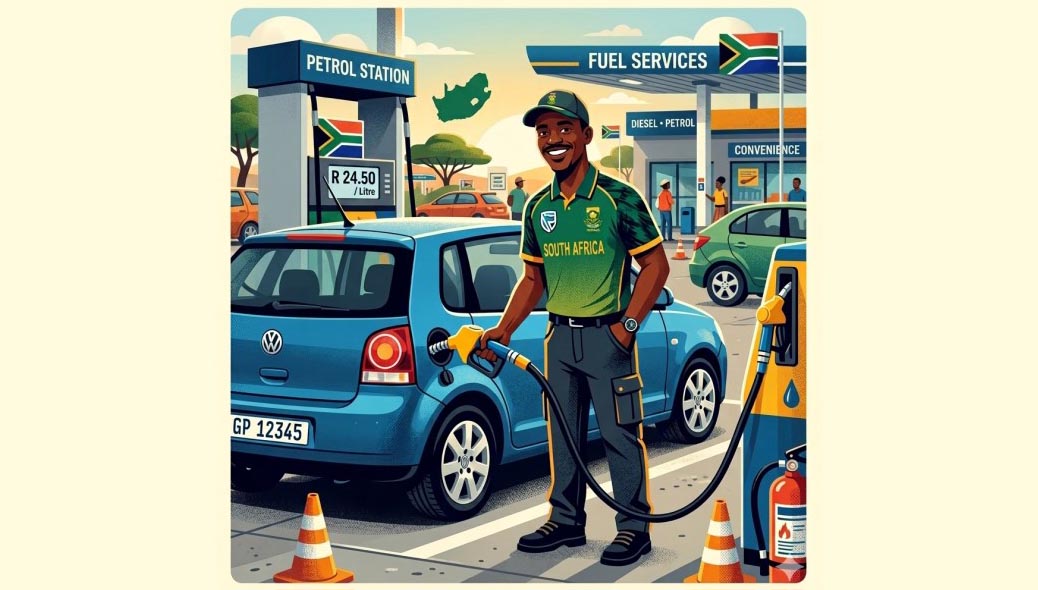
Below, the latest projections for May
2026 as received by The South African
website from the Central Energy Fund
(CEF):
FUEL PRICE CHANGE
Petrol 93
increase of 202 cents
Petrol 95
increase of 236 cents
Diesel 0.05%
increase of 707 cents
Diesel 0.005%
increase of 709 cents
Illuminating Paraffin
increase of 581 cents